
Coffee connects us across continents, but each culture has developed its own unique relationship with this beloved beverage. From bustling Italian espresso bars to tranquil Japanese kissaten, coffee shops reflect the values, pace, and social fabric of their communities. Let’s explore how different cultures have transformed the simple act of drinking coffee into rich traditions that bring people together.
Italy: The Art of Quick Connection
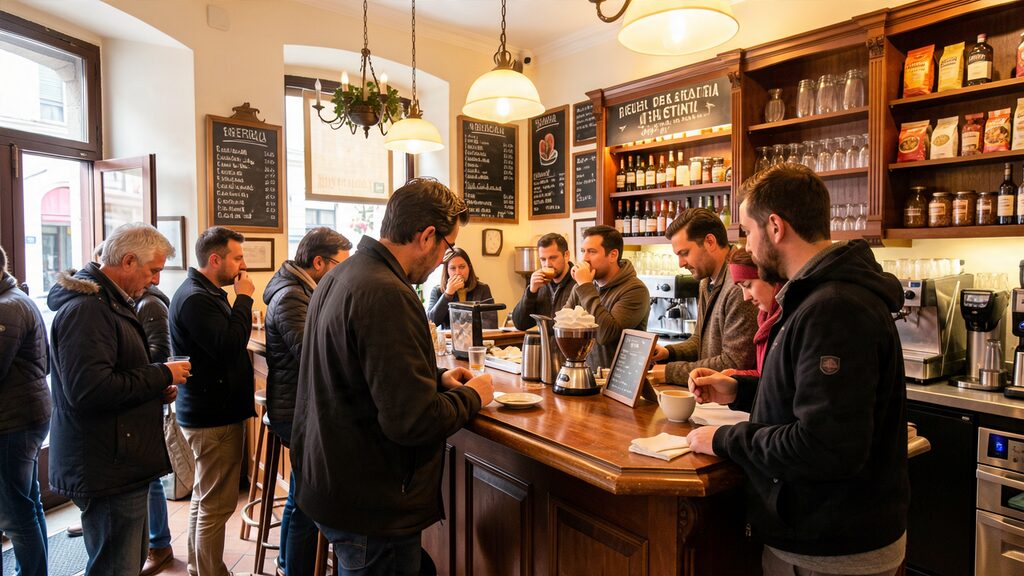
In Italy, coffee culture revolves around speed and community. Italians typically drink their espresso standing at the bar, engaging in brief but meaningful conversations with baristas and fellow patrons. This isn’t about lingering—it’s about connection within the rhythm of daily life. The Italian café serves as a neighborhood anchor where regulars are greeted by name and orders are remembered without asking. Morning cappuccinos are sacred, but ordering one after 11 AM marks you as a tourist. This isn’t snobbery—it’s tradition rooted in the belief that milk-based drinks are too heavy after meals.
Italian coffee bars buzz with energy. Conversations flow freely between strangers, business deals are discussed over quick espressos, and the barista often serves as an informal community news source. The experience emphasizes quality over quantity—one perfect shot rather than a large cup to sip slowly.
Austria: Coffeehouse as Living Room
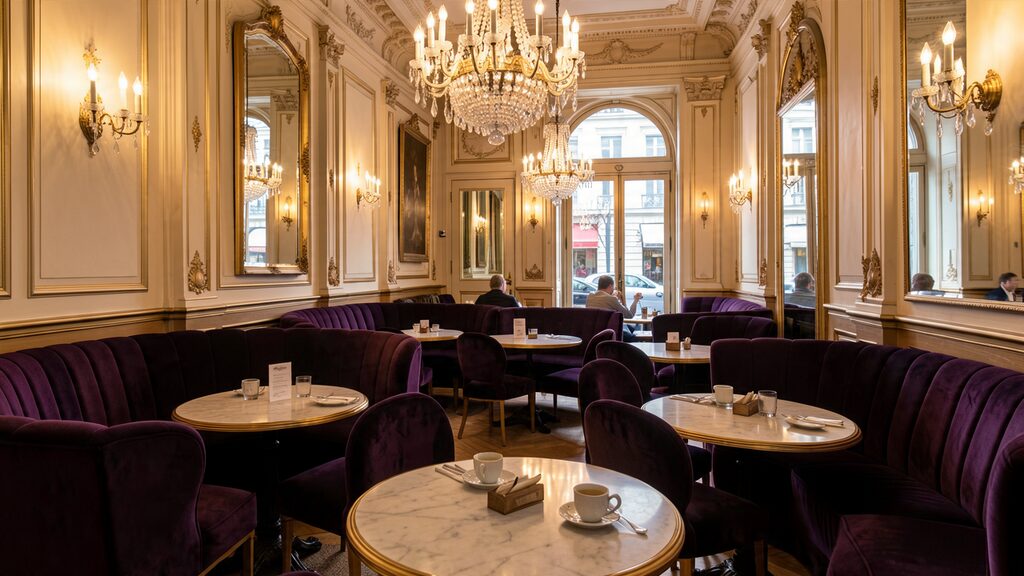
Viennese coffeehouses represent the opposite philosophy—they’re designed for lingering. These grand establishments with marble tables, velvet banquettes, and crystal chandeliers function as public living rooms where patrons spend hours reading newspapers, writing, or engaging in philosophical discussions. The Austrian coffeehouse tradition dates back centuries and earned UNESCO recognition as an Intangible Cultural Heritage.
Here, ordering coffee involves choosing from dozens of preparations, each with specific names like Melange, Einspänner, or Fiaker. The ritual extends beyond the drink to include a glass of water and often a small sweet. These spaces fostered intellectual movements—writers like Stefan Zweig and artists like Gustav Klimt made coffeehouses their second homes. Today, they maintain that contemplative atmosphere where WiFi is often discouraged, and the pace remains deliberately slow.
Ethiopia: Coffee as Sacred Ceremony
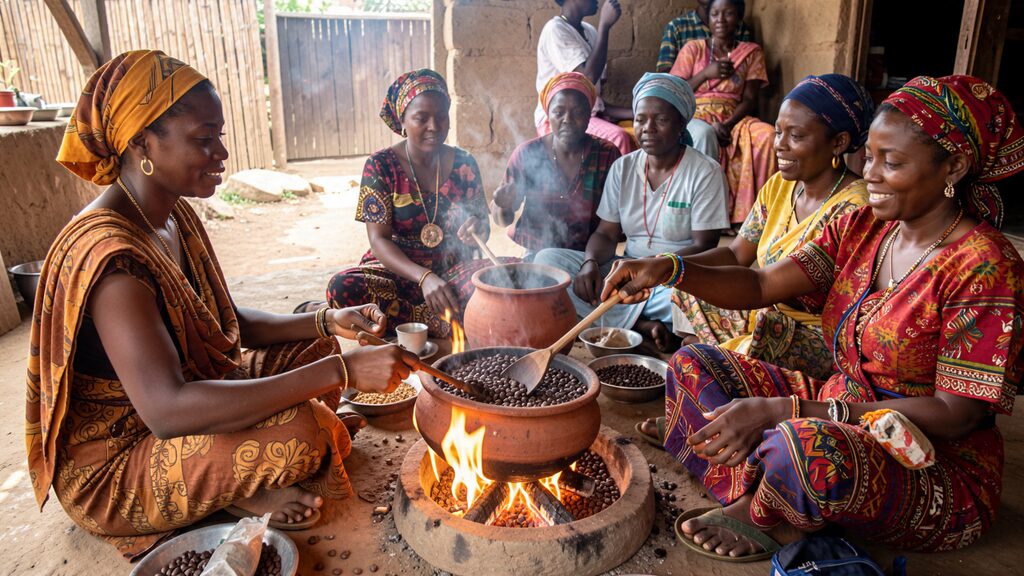
In Ethiopia, coffee’s birthplace, the traditional coffee ceremony transforms brewing into a spiritual and social ritual. This elaborate process can take hours and involves the entire community, particularly women who lead the ceremony. The ceremony begins with washing green coffee beans, then roasting them over an open flame. The aromatic smoke is wafted toward guests as a blessing. Beans are ground by hand using a mortar and pestle, then brewed in a clay pot called a jebena. The coffee is served in small cups called cini, typically in three rounds representing blessings.
This isn’t just about caffeine—it’s about connection, respect, and community bonding. Conversations flow freely during the ceremony, problems are discussed and solved, and relationships are strengthened. The Ethiopian approach reminds us that coffee can be meditation, celebration, and communion all at once.
Japan: Precision and Tranquility
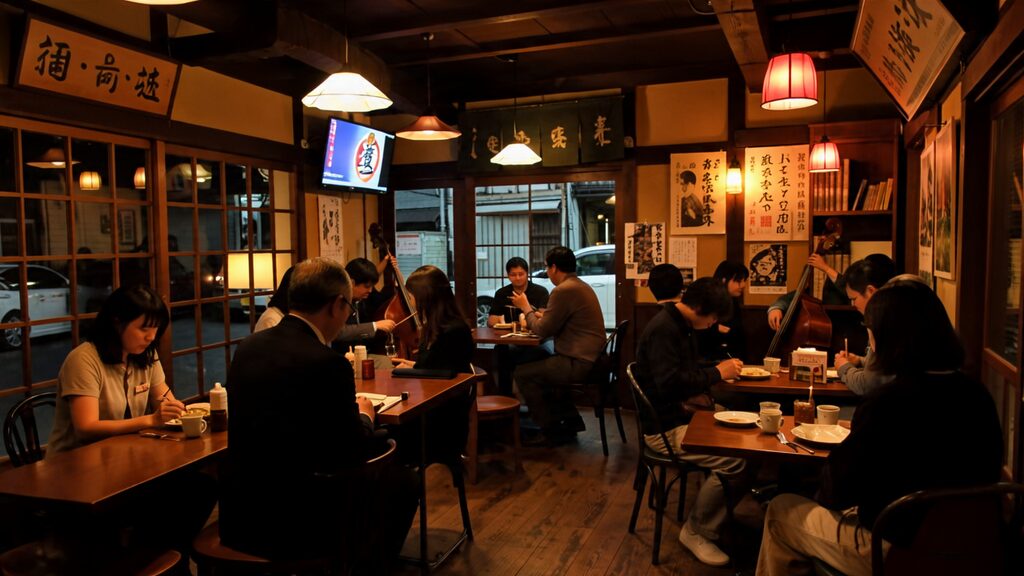
Japanese coffee culture blends meticulous attention to detail with serene atmosphere. Traditional kissaten (coffee shops) offer refuge from urban intensity, featuring dim lighting, jazz music, and master craftsmen who’ve perfected their brewing techniques over decades. The Japanese approach emphasizes precision—every variable from water temperature to pour timing is carefully controlled. Siphon brewing is particularly popular, creating an almost theatrical experience as customers watch their coffee being prepared with scientific precision.
Modern Japanese coffee culture has evolved to include both traditional kissaten and contemporary specialty shops, but the underlying philosophy remains consistent: coffee should be approached with respect, patience, and dedication to craft. The experience prioritizes quality and mindfulness over speed or convenience.
France: Café as Social Observatory
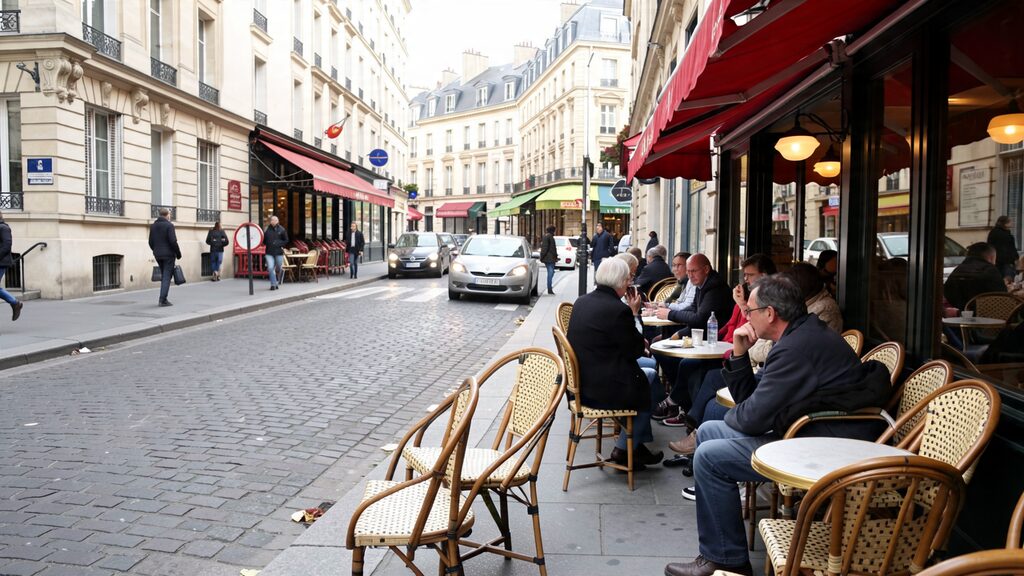
French café culture centers on people-watching and leisurely social interaction. Sidewalk cafés with their characteristic wicker chairs all facing the street create perfect vantage points for observing urban life while engaging in conversation. The French café serves multiple functions throughout the day—morning coffee and croissant, afternoon meeting spot, evening aperitif location.
Unlike Italian bars, French cafés encourage lingering. Ordering a single coffee grants you table rights for hours without pressure to leave. French café culture emphasizes the art of conversation and the pleasure of simply being present in the moment. These spaces foster both intimate discussions and casual encounters, serving as democratic meeting grounds where all social classes mingle.
Scandinavia: Hygge and Community
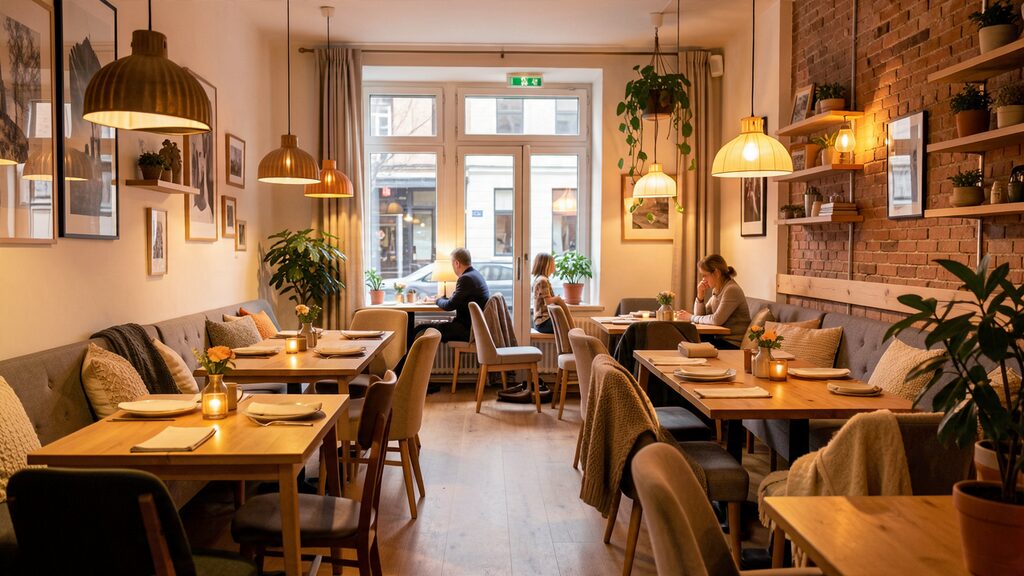
Nordic coffee culture embodies hygge—the Danish concept of cozy contentment. Scandinavian cafés feature warm lighting, comfortable seating, and an atmosphere that encourages relaxation and genuine connection. Coffee consumption in Nordic countries ranks among the world’s highest, but it’s not about caffeine addiction—it’s about creating moments of comfort and community.
The concept of fika in Sweden represents this perfectly: a coffee break that’s really about pausing to connect with others. Scandinavian cafés often feature minimalist design with natural materials, creating spaces that feel like extensions of home. The focus is on quality coffee served in an environment that promotes well-being and social connection.
Turkey: Coffee and Conversation
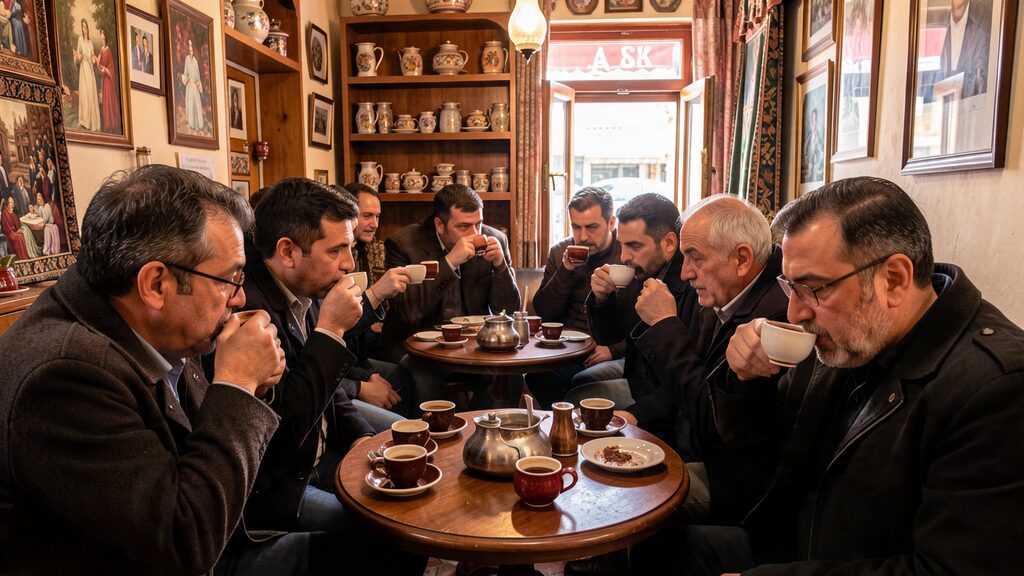
Turkish coffee culture revolves around hospitality and extended social interaction. The thick, unfiltered coffee is prepared in special pots called cezve and served with Turkish delight or small sweets. Turkish coffeehouses historically served as centers for intellectual discourse, political discussion, and entertainment. Today, they maintain their role as community gathering spaces where conversations can stretch for hours over multiple small cups of intensely flavored coffee.
The Turkish approach emphasizes patience—both in preparation and consumption. The coffee is sipped slowly while engaging in meaningful conversation, reflecting a culture that values relationships and community over efficiency.
Modern Global Fusion
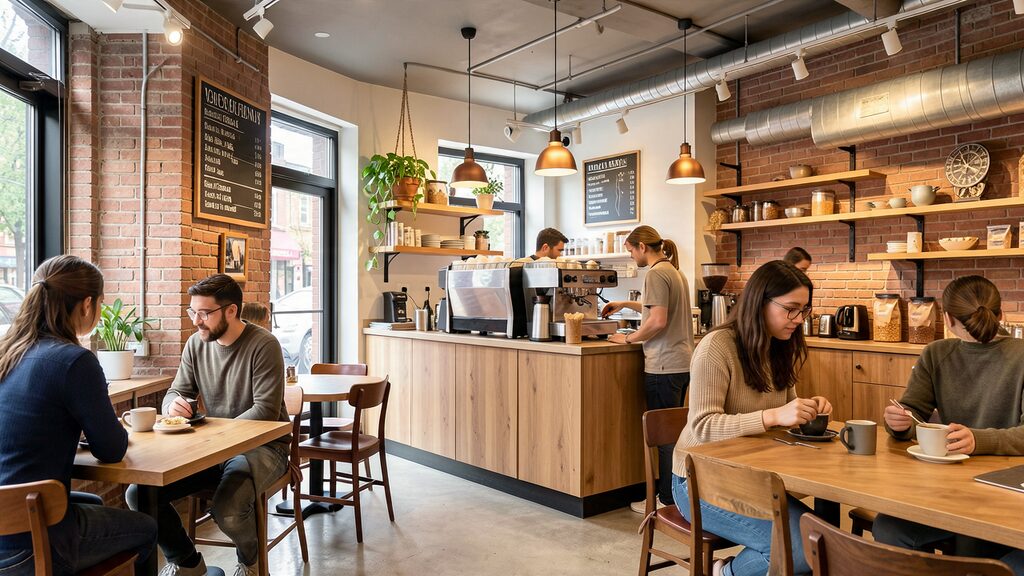
Today’s coffee culture increasingly blends these traditions. Third-wave coffee shops worldwide combine Italian quality standards with Japanese precision, Austrian comfort with Scandinavian design aesthetics, and Ethiopian ceremony with French social atmosphere. This global fusion creates new traditions while honoring old ones.
Whether you prefer the quick energy of an Italian espresso bar or the contemplative pace of a Viennese coffeehouse, coffee culture continues evolving while maintaining its essential function: bringing people together over a shared appreciation for this remarkable beverage. Each tradition offers lessons about slowing down, connecting with others, and finding meaning in daily rituals—reminders that coffee culture is ultimately about human connection.
This post took me on a trip I didn’t know I needed! The contrast between Italy’s stand-at-the-bar espresso culture and Austria’s hours-long coffeehouse lingering really stuck with me — two completely different philosophies, both centered on connection. The section on Ethiopia’s coffee ceremony was especially moving. It’s a good reminder that what we think of as a quick morning habit is, in so many places, something sacred. Now I’m seriously reconsidering my drive-through routine.
Thank you so much — that genuinely made my day! You nailed exactly what I was hoping readers would take away: that coffee is rarely *just* coffee. It’s the ritual, the pause, the people around you. The Ethiopian ceremony section was the one that moved me most while writing it too — there’s something humbling about realizing your morning cup has roots in something so intentional and communal. And hey, nothing wrong with the drive-through… but maybe keep a little Ethiopia in your heart while you’re in line!