
Coffee isn’t just a beverage—it’s a ritual, a passion, and for many of us, an essential part of daily life. Whether you’re a casual sipper or a dedicated enthusiast, there’s always room to enhance your coffee experience. From selecting the perfect beans to mastering brewing techniques, these tips will help you discover new depths in every cup.
Choosing Your Beans Wisely
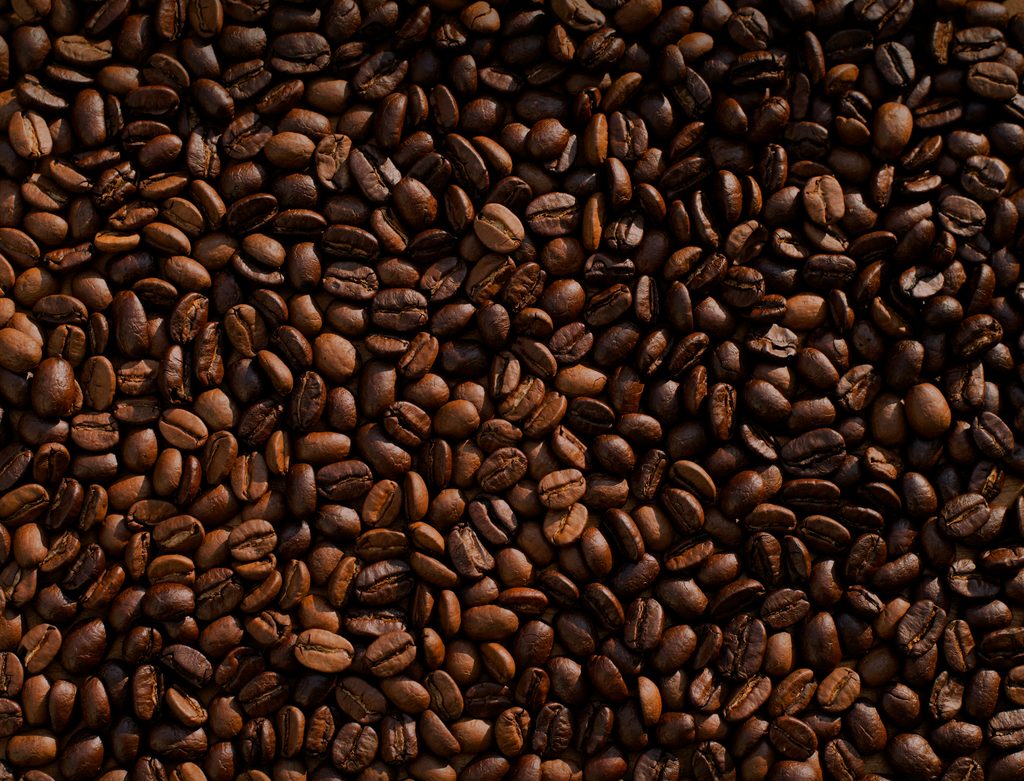
The foundation of exceptional coffee starts with quality beans. Origin matters more than you might think—single-origin coffees showcase unique characteristics from specific regions, while blends offer balanced complexity. Ethiopian beans often deliver bright, fruity notes, while Colombian varieties tend toward rich, chocolatey profiles.
Roast levels dramatically impact flavor. Light roasts preserve origin characteristics and offer bright acidity, medium roasts balance origin flavors with roast development, and dark roasts emphasize bold, smoky notes. Experiment with different levels to find your preference.
Freshness is absolutely crucial. Look for roast dates within two weeks of purchase, and avoid beans sitting in grocery store bins. Proper storage in airtight containers away from light and heat preserves flavor compounds that make coffee special.
Supporting local roasters not only ensures fresher beans but also connects you with passionate professionals who can guide your coffee journey. Many offer cupping sessions where you can taste and learn about different varieties.
Mastering Brewing Methods
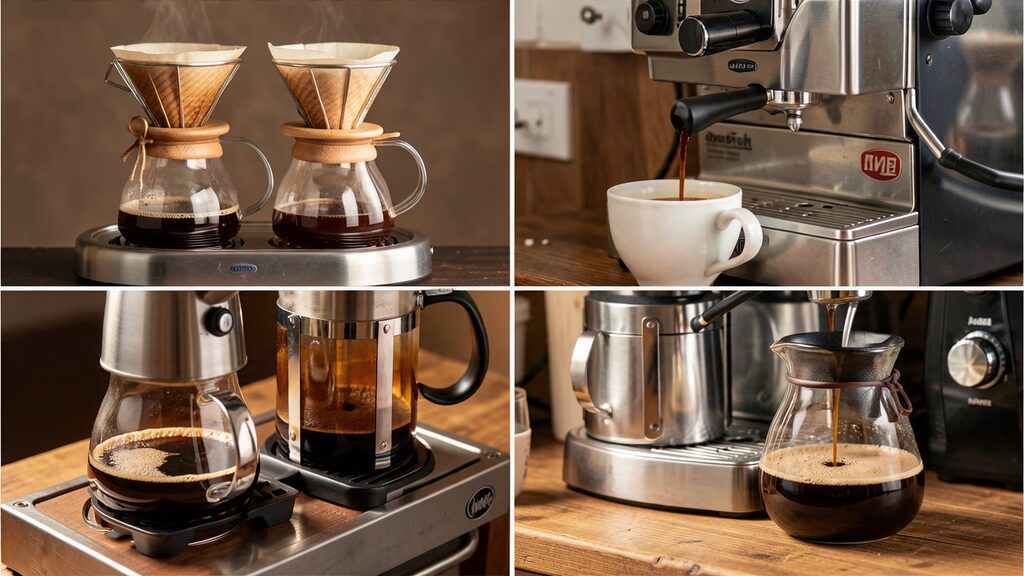
Pour-over brewing gives you complete control over extraction. Use a 1:16 coffee-to-water ratio, grind beans just before brewing, and pour in slow, circular motions. The V60 emphasizes clarity and brightness, while the Chemex produces clean, balanced cups.
French press fundamentals center on immersion brewing. Use coarsely ground coffee, steep for four minutes, and maintain water temperature around 200°F. This method produces full-bodied coffee with rich mouthfeel.
Espresso essentials require attention to detail. Look for shots that pull in 25-30 seconds with honey-like consistency. When steaming milk, create microfoam that’s silky and sweet, not thick and bubbly.
Cold brew basics involve coarse grounds steeped in cold water for 12-24 hours. Use a 1:8 ratio for concentrate that you can dilute to taste. This method produces smooth, low-acid coffee perfect for hot weather.
Equipment That Makes a Difference
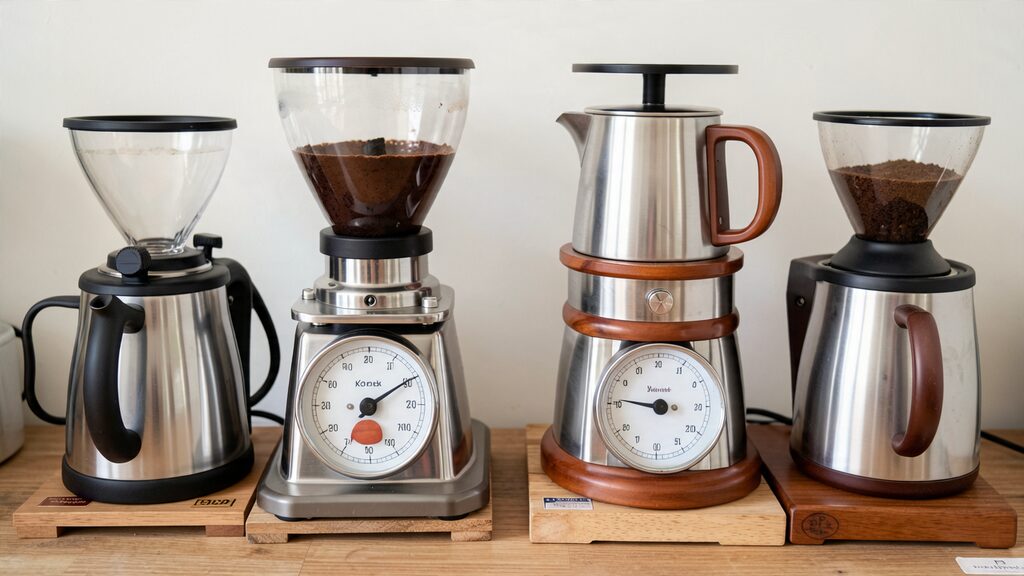
Budget-friendly starter essentials include a reliable burr grinder, digital scale, and gooseneck kettle. These tools cost under $100 total but dramatically improve consistency and control.
Mid-range upgrades worth considering include precision grinders that offer uniform particle size, programmable scales for consistent ratios, and temperature-controlled kettles for optimal extraction.
Premium equipment like high-end espresso machines and commercial-grade grinders can elevate your coffee game, but focus on technique before investing heavily in gear.
Maintenance matters tremendously. Clean your equipment regularly, descale machines monthly, and replace grinder burrs when they become dull. Well-maintained equipment produces better coffee and lasts longer.
Water: The Forgotten Ingredient
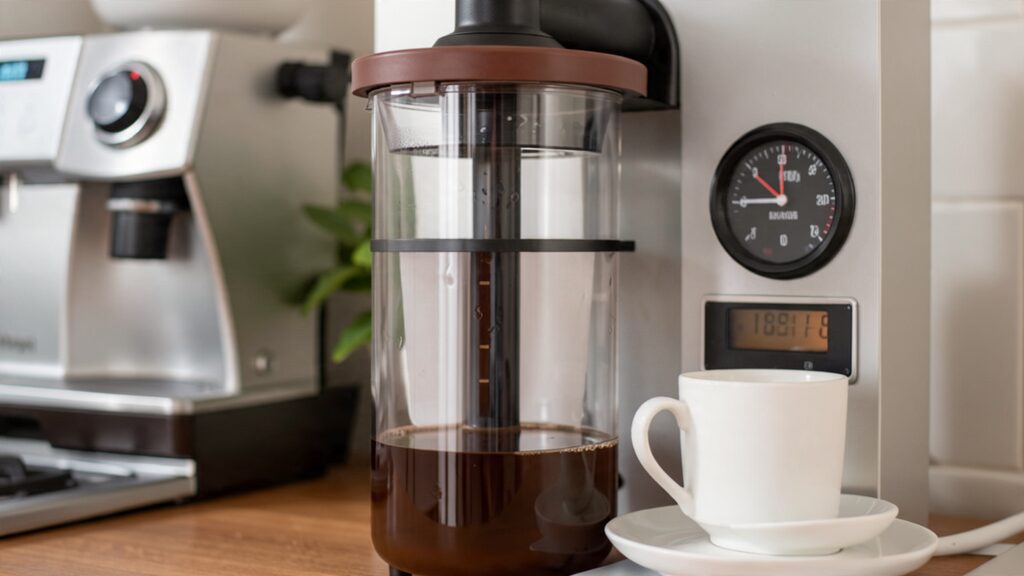
Water comprises 98% of your coffee, yet it’s often overlooked. Quality affects taste more than most realize—chlorinated tap water can mask subtle flavors, while overly soft water under-extracts coffee compounds.
Simple filtration solutions like carbon filters remove chlorine and improve taste without expensive equipment. Temperature guidelines suggest 195-205°F for optimal extraction—too hot burns delicate compounds, too cool under-extracts flavors.
Enhancing Your Coffee Ritual
Mindful brewing transforms coffee preparation into meditation. Focus on each step—grinding, measuring, pouring—and appreciate the aromas and sounds. This intentional approach enhances both the process and final result.
Pairing suggestions can elevate your experience. Dark chocolate complements espresso, pastries pair beautifully with medium roasts, and fruit pairs surprisingly well with bright, acidic coffees.
Seasonal variations keep things interesting. Light, floral coffees suit spring mornings, while rich, full-bodied varieties warm winter afternoons.
Creating atmosphere with proper lighting, comfortable seating, and minimal distractions enhances enjoyment.
Troubleshooting Common Issues
Bitter coffee usually indicates over-extraction—try coarser grinds, cooler water, or shorter brew times. Weak or sour coffee suggests under-extraction—use finer grinds, hotter water, or longer contact time.
Equipment problems often have simple solutions. Inconsistent grind size indicates dull burrs, while slow drip rates suggest clogged filters or overly fine grounds.
Your Coffee Journey Continues
Coffee appreciation is deeply personal—what tastes perfect to one person might not suit another. Experiment fearlessly with different origins, roasts, and brewing methods. Keep notes about what you enjoy and what doesn’t work.
Remember that great coffee doesn’t require expensive equipment or exotic beans. Focus on freshness, proper ratios, and consistent technique. Most importantly, enjoy the process. Whether you’re starting your day with a simple drip coffee or crafting the perfect weekend espresso, each cup is an opportunity to pause, appreciate, and savor life’s simple pleasures.
The world of coffee offers endless exploration—embrace the journey, one delicious cup at a time.
This is exactly the kind of post I needed to bookmark. I’ve been grinding pre-ground coffee for years and always wondered why my home brews never quite matched what I get at a good café — the freshness section just answered that question. The water tip was a genuine surprise too; I never thought about what’s actually in my tap water affecting the taste. And the troubleshooting section at the end? Pure gold. I’ve been fighting bitter coffee for months and apparently all I needed was a coarser grind. Simple fixes I can try tomorrow morning.
You just made my day — thank you! The freshness piece is honestly the one I wish someone had told me years ago, because it’s such a simple fix that makes such a dramatic difference. And yes, water is the sneaky variable nobody talks about enough — once I started filtering mine, I couldn’t believe how much cleaner everything tasted. I’m so glad the troubleshooting section was useful too. Try that coarser grind tomorrow and let me know what happens — I have a feeling your morning cup is about to get a whole lot better.